
How to Reduce Screen Time for Kids: An Active After-School Solution in Oviedo
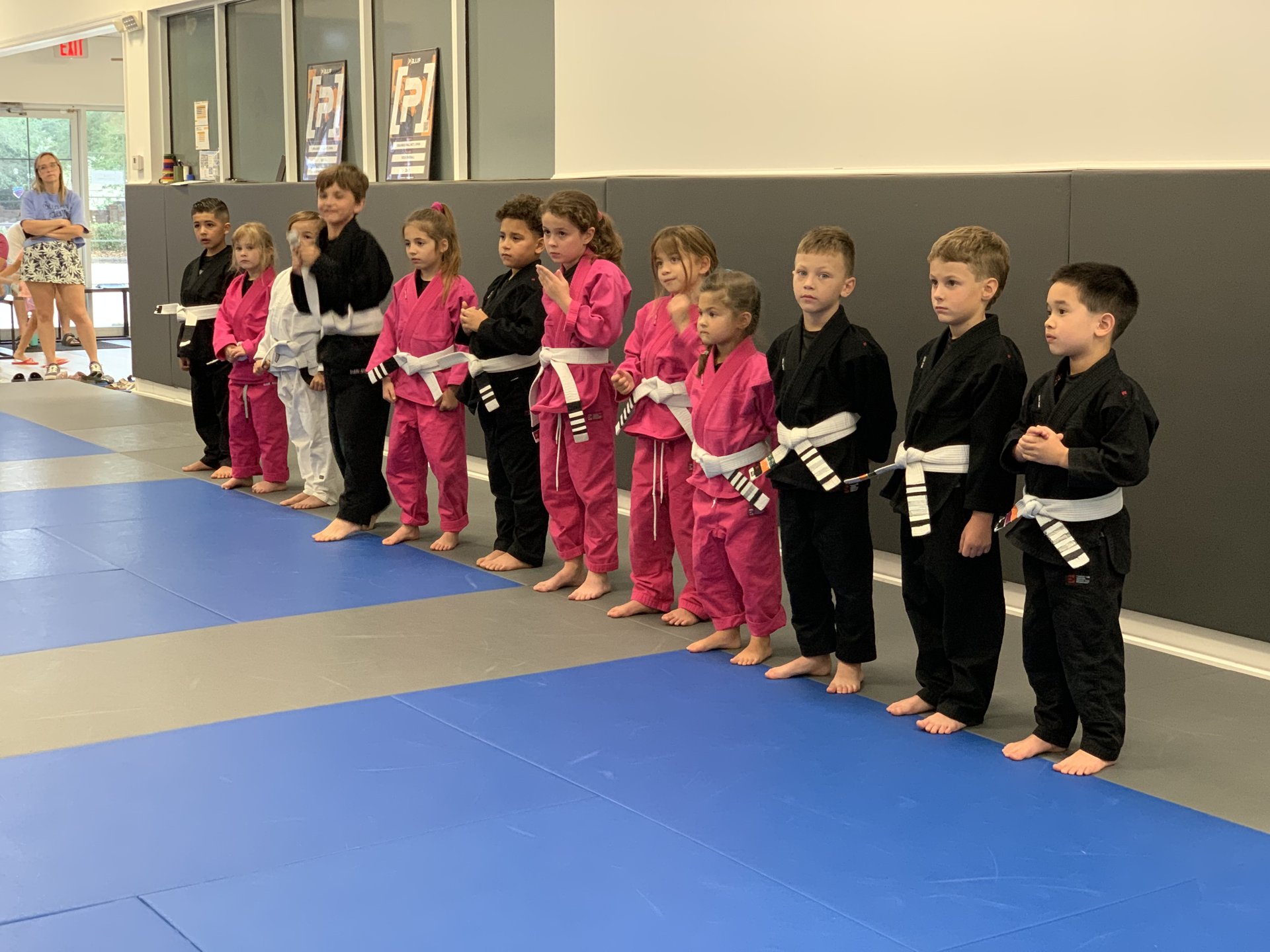
As a father of three and a Jiu-Jitsu instructor who has worked with children for more than 23 years, one of the most common concerns I hear from parents in Oviedo is how difficult it has become to get their children away from phones, tablets and video games.
Parents try timers, restrictions and consequences, but many still end up having the same argument every day. The child wants a few more minutes, the parent says no and both become frustrated.
If you are wondering how to reduce screen time for your kids, my experience has taught me something important: the most effective solution is not always simply taking the screen away. It is helping children discover something challenging, active and enjoyable enough that they actually want to put it down.
Why Simply Limiting Screen Time Often Doesn't Work
Screens are designed to hold our attention. Games provide immediate rewards, videos never seem to end and there is always something new to watch.
Asking a child to turn off a device without offering an appealing alternative can feel like removing the most exciting part of their day.
Children still need boundaries and consistent rules, but those rules become easier to maintain when they also have something meaningful to do away from their devices.
Instead of only asking, “How can I take the screen away?” parents may get better results by asking:
“What can I introduce into my child’s routine that is active, social and interesting enough to compete with the screen?”
Replace Screen Time With Something Children Enjoy
An effective screen-free activity should give children more than another way to stay busy. It should provide movement, social interaction, clear goals and a sense of progress.
This is one reason Brazilian Jiu-Jitsu connects with children who may not enjoy traditional exercise or team sports.
Jiu-Jitsu is physical, but it is also a problem-solving activity. Children learn how to move their bodies, understand positions, work with partners and find solutions to new challenges.
During class, children must listen to instructions, remember a series of steps, control their strength, cooperate with a partner and continue trying when something is difficult.
Their bodies are moving, but their minds are working too.
That combination makes Jiu-Jitsu different from an activity that only helps children burn energy. They are learning real skills, and every class gives them another opportunity to improve.
How a Consistent Routine Can Help
One of the most practical ways to reduce screen time is to create predictable periods when screens are simply not part of the schedule.
When a child knows that certain afternoons are Jiu-Jitsu days, the family no longer has to negotiate that time every week. Training becomes part of the normal routine.
Consistency also gives children enough time to become comfortable. The first class may feel unfamiliar, but after a few classes they begin recognizing their teammates, understanding the class structure and seeing their own progress.
That is when the activity can become something they look forward to—not something their parents are forcing them to do.
What Makes Elementum Jiu-Jitsu Oviedo Different?
Not every martial-arts program teaches children the same way.
At Elementum Jiu-Jitsu Oviedo, we divide students into age-appropriate groups because a three-year-old, a seven-year-old and a twelve-year-old do not learn in the same way.
Our younger students need simple instructions, movement, imagination and frequent transitions. Older children can work through more detailed techniques, strategy and increasingly challenging partner drills.
Our program combines:
- Structured movement and warm-up drills
- Age-appropriate Brazilian Jiu-Jitsu instruction
- Safe partner practice
- Physical activity through games and technical training
- Lessons about respect, responsibility and self-control
- Recognition of consistency, technical progress and character development
Children are challenged, but they are not expected to arrive already athletic, coordinated or confident.
Some students join us full of energy. Others are shy, hesitant or uncomfortable in group activities. Some have played several sports, while others have never found an activity they enjoyed.
Our job is to meet each child where they are and help them move forward.
We also believe discipline should not mean embarrassing or frightening children. Discipline means teaching them to listen, follow directions, respect their training partners and continue working when something is difficult.
Three Practical Ways to Reduce Screen Time at Home
1. Replace before you remove
Before reducing screen time, decide what your child will be doing instead. An empty afternoon makes it much easier to return to the device.
2. Establish predictable screen-free periods
Meals, bedtime routines, homework and scheduled activities are natural times to create consistent boundaries.
3. Choose activities with visible progress
Children often remain interested when they can see themselves improving. Learning a new movement, receiving recognition and advancing through a structured curriculum provides a real-world sense of accomplishment.
What If My Child Is Not Athletic?
Your child does not need to be athletic to begin Brazilian Jiu-Jitsu.
Many children join because they have not connected with soccer, baseball, basketball or other team sports. Jiu-Jitsu allows every child to develop at an individual pace while still belonging to a group.
There is no bench, and children do not have to wait for someone to pass them the ball before participating.
Balance, coordination, strength and endurance develop through training. They are not requirements for starting.
Will Jiu-Jitsu Make My Child Aggressive?
A properly structured children’s Jiu-Jitsu program should teach control, not aggression.
Students learn to practice safely, respect their partners and control their strength. They also learn that physical skills should never be used to intimidate someone.
Self-defense is important, but avoiding conflict, seeking help and using good judgment are also part of responsible training.
At What Age Can Children Start?
At Elementum Jiu-Jitsu Oviedo, children can begin in our Tiny Champs program at approximately three years old. Our Kids, Juniors and Teens programs provide age-appropriate instruction as students grow.
Age matters, but readiness also matters. A trial class helps the instructor and parent determine which group will be the best fit.
Help Your Child Discover Something Beyond the Screen
The goal is not to make technology the enemy. Screens are part of modern life and can be useful, educational and fun.
The goal is balance.
Children also need opportunities to move, solve problems, communicate face-to-face and experience the satisfaction of improving at something that once felt difficult.
If you are looking for an active, screen-free after-school activity for your child in Oviedo, Winter Springs, Chuluota or the surrounding Seminole County area, we invite your family to experience a class at Elementum Jiu-Jitsu Oviedo.
Your child does not need previous martial-arts experience, and they do not need to be athletic or confident before beginning. That is what the journey is designed to help them develop.
Contact Elementum Jiu-Jitsu Oviedo to schedule a trial class and allow your child to experience Brazilian Jiu-Jitsu for themselves.

Ready to start your journey?
Your first class is on us. Reserve your spot and step onto the mats at Elementum Jiu Jitsu Oviedo.